Artificial Intelligence
India-Built AI Models in 2026: Are They Worth Using Yet?
The sovereign AI push produced real, open models covering all 22 scheduled languages. The honest question is not whether they exist, but which tasks they are actually better at.
By Maya Iyer · Updated · 10 min read
Short answer
Are Indian AI models good enough to use in production?
India now has open models built specifically for Indian languages: BharatGen, a government-funded multimodal effort led by an IIT Bombay consortium covering all 22 scheduled languages; Sarvam AI's 105-billion-parameter open mixture-of-experts model that processes the 22 official languages natively rather than routing through English; Bhashini, the MeitY open-source translation platform used for the live 22-language translation of the 15 August 2026 Independence Day address; and AI4Bharat's long-running open datasets and models. For English-first work a global assistant is still the stronger default. For Indian-language generation, transliteration, voice and anything where the output must read as written by an Indian speaker, these are now worth testing head to head.
Our practical verdict
India's sovereign AI push stopped being an announcement and became a set of usable models during 2026, so the practical question has changed from whether they exist to which tasks they are actually better at.
The institutional centre is BharatGen, implemented by an IIT Bombay-led consortium and government-funded, built as a multimodal model covering all 22 scheduled languages with applications targeted at agriculture, finance, legal and education. Alongside it, Sarvam AI released a 105-billion-parameter open model using a mixture-of-experts architecture that handles the 22 official languages natively - processing them directly rather than translating into English, reasoning, and translating back. That architectural detail is the one worth caring about, because the translate-reason-translate route is where register, idiom and honorifics get flattened.
Bhashini, built under MeitY and released open source, is the translation and language platform layer, and its most visible outing was the simultaneous translation of the Independence Day address on 15 August 2026 into 22 Indian languages. AI4Bharat's open datasets and models underpin a great deal of Indian-language capability across the ecosystem, including in products that do not credit it. On voice, Gnani.ai's 5-billion-parameter voice-to-voice model, trained on roughly 14 million hours of local speech across 15 Indian languages, works on audio directly rather than transcribing to text first, which is the right shape for call-centre and IVR work.
Shortlist
Recommended options to compare
Use this as a starting list, then compare live India prices and warranty before buying.
Pick 1
BharatGen
Government-funded, IIT Bombay-led consortium, multimodal, and built around all 22 scheduled languages with sector applications in agriculture, finance, legal and education. The sovereign-stack effort with the widest institutional backing.
Pick 2
Sarvam AI's open model
A 105-billion-parameter mixture-of-experts model released open, processing the 22 official languages natively instead of translating to English and back. Native processing is the part that matters for register and idiom.
Pick 3
Bhashini
MeitY's open-source translation and language platform, used for the simultaneous 22-language translation of the 15 August 2026 Independence Day address. Strongest fit for translation and government-adjacent language work.
Pick 4
AI4Bharat
The open dataset and model effort most Indian-language work is built on. Worth knowing about even if you never use it directly, because it is often what a vendor's Indian-language capability rests on.
Pick 5
Voice models
Gnani.ai's 5-billion-parameter voice-to-voice model, trained on around 14 million hours of local speech across 15 Indian languages, processes audio directly rather than transcribing first. Relevant if your use case is calls rather than text.
Pick 6
Where global assistants still win
English-first drafting, coding, general reasoning and anything needing the broadest tool ecosystem. Sovereignty is not a quality argument, and the honest test is your own three real tasks run on both.
Which option should you choose?
BharatGen
Government-funded, IIT Bombay-led consortium, multimodal, and built around all 22 scheduled languages with sector applications in agriculture, finance, legal and education. The sovereign-stack effort with the widest institutional backing.
Sarvam AI's open model
A 105-billion-parameter mixture-of-experts model released open, processing the 22 official languages natively instead of translating to English and back. Native processing is the part that matters for register and idiom.
Bhashini
MeitY's open-source translation and language platform, used for the simultaneous 22-language translation of the 15 August 2026 Independence Day address. Strongest fit for translation and government-adjacent language work.
AI4Bharat
The open dataset and model effort most Indian-language work is built on. Worth knowing about even if you never use it directly, because it is often what a vendor's Indian-language capability rests on.
Voice models
Gnani.ai's 5-billion-parameter voice-to-voice model, trained on around 14 million hours of local speech across 15 Indian languages, processes audio directly rather than transcribing first. Relevant if your use case is calls rather than text.
Where global assistants still win
English-first drafting, coding, general reasoning and anything needing the broadest tool ecosystem. Sovereignty is not a quality argument, and the honest test is your own three real tasks run on both.
Choice IQ pick
Need the faster shortlist?
Start with our recommended options, then compare the tradeoffs that matter for your budget and workflow.
See top picksHow to decide
Pick the option around the job you need done. This is the fastest way to avoid paying for something that looks impressive but does not change your real workflow.
| Situation | Best starting point | Final check |
|---|---|---|
| BharatGen | Government-funded, IIT Bombay-led consortium, multimodal, and built around all 22 scheduled languages with sector applications in agriculture, finance, legal and education. The sovereign-stack effort with the widest institutional backing. | Use this as a shortlist, then verify the final details before committing. |
| Sarvam AI's open model | A 105-billion-parameter mixture-of-experts model released open, processing the 22 official languages natively instead of translating to English and back. Native processing is the part that matters for register and idiom. | Use this as a shortlist, then verify the final details before committing. |
| Bhashini | MeitY's open-source translation and language platform, used for the simultaneous 22-language translation of the 15 August 2026 Independence Day address. Strongest fit for translation and government-adjacent language work. | Use this as a shortlist, then verify the final details before committing. |
| AI4Bharat | The open dataset and model effort most Indian-language work is built on. Worth knowing about even if you never use it directly, because it is often what a vendor's Indian-language capability rests on. | Use this as a shortlist, then verify the final details before committing. |
Read the editorial notes
Where this leaves a buying decision: for English-first drafting, coding, general reasoning and workflow integration, a global assistant is still the better default, and the tool ecosystem around it is far deeper. For Indian-language generation - the case where output has to read as though an Indian speaker wrote it - the India-built models are now worth running head to head rather than assuming the global model wins. That is a genuine change from a year ago.
Being open matters commercially as well as ideologically. Open weights mean self-hosting is possible, which moves cost from per-token API billing to infrastructure and engineering time. Whether that is cheaper depends entirely on volume, and at small volume it usually is not.
The test to run is the same one this site recommends for every model decision: take three real tasks in the language and register you actually need, run them on both a global assistant and an India-built model, and judge the output rather than the origin. Sovereignty is a policy argument, not a quality one, and for customer-facing Indian-language copy a fluent human review is still required either way.
Decision shortcut
Still comparing options?
Use the table above to shortlist your best fit, then check related picks, tools, and buying guides before you make the final call.
FAQ
Are Indian AI models good enough to use in production?
For Indian-language generation, translation and voice, they are now genuinely worth benchmarking against global assistants, because they are built around the 22 scheduled languages rather than adding them to an English-first model. For English drafting, coding and general reasoning, the global assistants remain the stronger default. Run your own three real tasks on both rather than deciding on origin.
Which Indian AI model supports the most languages?
BharatGen and Sarvam AI's open model both target all 22 scheduled languages, and Bhashini covers the 22 languages for translation - it was used for the simultaneous translation of the 15 August 2026 Independence Day address. Coverage claims are easy to make, so test the specific language and register you need.
Are these models free to use?
Several are released open, including Sarvam's 105B model and the Bhashini and AI4Bharat work, which means you can self-host rather than pay per token. Open weights shift the cost from API billing to infrastructure and engineering time, so the total is not automatically lower - it depends on your volume.
Features, model access, limits, privacy controls, and India billing can change. Choice IQ evaluates practical workflow fit and recommends checking the provider's current official terms before paying.
AI Tools Editor
Maya reviews AI products, productivity systems, and automation workflows with a focus on practical adoption.
Keep reading
Related artificial intelligence picks
Artificial Intelligence
Using AI at Work: What Your Employer Can See
If the company bought the seat, the company can usually read the conversations. If it manages the laptop, it can usually see the screen. If you are on its network, it can see where you went. Which of the three applies to you is the whole question.
Artificial Intelligence
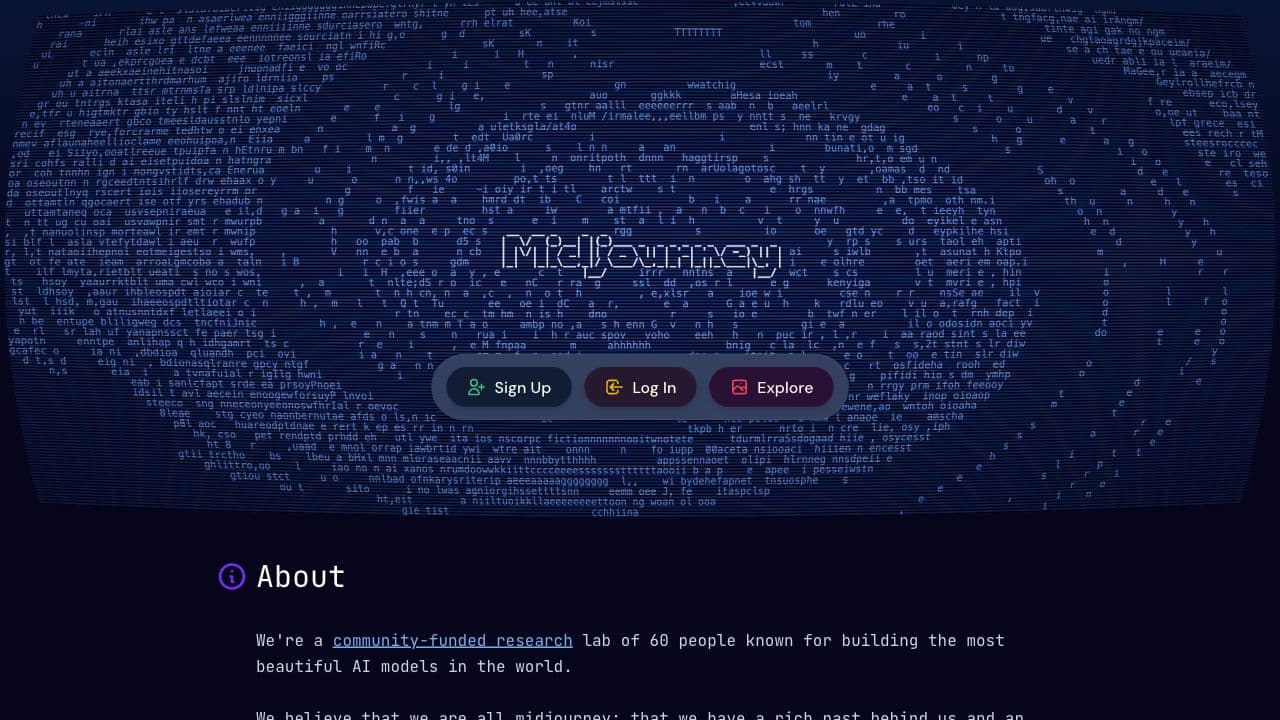
Midjourney Review 2026: Is It Worth Paying for in India?
A practical review of Midjourney for designers, marketers, creators, agencies, and visual concept work.
Artificial Intelligence
DPDP for Small Indian Businesses Using AI Tools, Ahead of May 2027
There is no small-business exemption. A two-person firm that pastes a customer's details into a chat tool is processing personal data under the Act, the AI vendor is its processor, and from 13 May 2027 the obligations are enforceable. Seven things to have in place, none of them expensive.

Tool
AI Tool Finder
Match a task, budget, and workflow to the most relevant AI tools.
Comparison
Claude Opus 5 vs GPT-5.6: Which Flagship Should You Pay For?
The two flagship models compared on what they cost, what they are measurably better at, and why most people should buy neither.
The best choice is rarely the product with the longest feature list. It is the one you will still trust and use six months from now.
How Choice IQ evaluated this guide
Choice IQ evaluated India-built models by language coverage against the 22 scheduled languages, whether Indian languages are processed natively or routed through English, openness of weights and the self-hosting cost trade that follows, voice capability, ecosystem and tooling depth against global assistants, and honest head-to-head performance on Indian-language register rather than on origin.
Weekly intelligence
Get smarter AI tool picks weekly.
One useful email with practical comparisons, refresh alerts, and decision frameworks for people who do not want another noisy newsletter.