Electronics
OLED vs QLED: Which TV Should You Buy in India?
A practical India-focused TV display comparison covering room brightness, movies, sports, gaming, HDR, burn-in risk, screen sizes, viewing distance, and long-term value.
Quick verdict
Choose OLED if you watch movies, web series, and premium content in a dim or controlled room and want the deepest blacks. Choose QLED if your living room is bright, your family watches TV for long hours, or you want larger screen sizes at a more practical price.
Best picture quality
OLED
Best bright room
QLED
Best family use
QLED
Best movie nights
OLED
Best burn-in safety
QLED
Best large-screen value
QLED
Decision shortcut
Choose faster with these rules
Buy OLED if your room has controlled lighting and you care most about movies, contrast, black levels, and premium picture quality.
Buy QLED if the TV sits in a bright living room, plays news/sports for long hours, or is used by the whole family throughout the day.
If you watch a lot of Indian TV channels with static logos, QLED is the safer low-maintenance option.
If you are buying 65 inches or larger on a fixed budget, compare QLED and Mini-LED QLED models before stretching for OLED.
For PS5 or Xbox gaming, both can be excellent. Check HDMI 2.1, VRR, input lag, refresh rate, and burn-in comfort.
Do not judge only from showroom mode. TVs are set very bright in stores and may look different at home.
Deep comparison
What changes in real daily use
Quick answer for Indian homes
Most Indian living rooms are bright, shared by family members, and used for mixed content. That changes the OLED vs QLED decision.
- OLED is the premium pick for people who want the best movie and streaming experience in a room where lights can be controlled.
- QLED is the safer pick for bright rooms, long daily viewing, sports, news, and buyers who want a larger screen without paying OLED prices.
- Mini-LED QLED TVs sit between both worlds: better contrast than regular QLED and more brightness than many OLED models.
Picture quality: contrast vs brightness
OLED wins on black levels. QLED usually wins on brightness and practical visibility.
- OLED pixels light up individually, so dark scenes look deeper and more cinematic.
- QLED TVs use a backlight, so black quality depends on panel quality and local dimming. Good Mini-LED models can look excellent.
- In a sunny room, brightness can matter more than perfect black levels. This is why QLED often feels more practical in Indian homes.
Burn-in, static logos, and long viewing
Burn-in is not something every OLED buyer should fear, but it is a real consideration for some households.
- OLED burn-in risk is lower on modern TVs with protection features, but static logos, news tickers, and repeated gaming HUDs can still be a concern over years.
- QLED does not have the same practical burn-in risk, which makes it better for family homes where nobody wants to manage viewing habits.
- If the TV runs cricket, news, YouTube, and kids' content for many hours daily, QLED is easier to recommend.
Screen size and value
The best TV is often the right size for your room, not the most expensive display technology.
- A larger good QLED can be more enjoyable than a smaller OLED if your sofa distance demands a bigger screen.
- OLED becomes expensive as size increases, so 65-inch and 75-inch buyers should compare high-quality QLED and Mini-LED models.
- For bedrooms and movie rooms, OLED becomes easier to justify because lighting is easier to control and usage is usually more focused.
Decision bands
What makes sense at each budget or use case
Pros
- Clear picture quality differences
- Good options across budgets
- Strong gaming features on newer TVs
Cons
- Premium models are expensive
- Showroom brightness can mislead buyers
Best for whom
Match the choice to the buyer
Movie lovers
OLED
Deep blacks and contrast make films, web series, and HDR scenes feel more cinematic.
Bright living rooms
QLED
Higher brightness helps daytime viewing and rooms with windows or lights.
Sports fans
QLED
Long matches, static scoreboards, and bright daytime use make QLED practical.
Console gamers
OLED for contrast; QLED for brightness and comfort
Both can be excellent if the model has HDMI 2.1, VRR, and low input lag.
Families
QLED
It handles mixed viewing, static logos, kids' content, and long usage with less worry.
Bedroom TV buyers
OLED
Controlled lighting makes OLED's picture-quality advantage easier to appreciate.
Alternatives
Other options worth considering
Mini-LED QLED
Consider Mini-LED if you want high brightness with better contrast than standard QLED.
Premium LED TV
Consider a high-quality LED if budget matters more than perfect blacks or quantum-dot branding.
Projector
Consider a projector only if you can control room light and want a very large screen experience.
FAQ
Is OLED better than QLED?
OLED is better for contrast, black levels, and cinematic viewing in darker rooms. QLED is better for bright rooms, long family use, larger sizes, and lower burn-in worry.
Which TV is better for Indian living rooms?
QLED is often better for Indian living rooms because many homes have bright rooms, long daily viewing, sports, news, and mixed family use. OLED is better if the room lighting is controlled.
Does OLED burn-in still happen?
Modern OLED TVs have burn-in protection, but static logos, news tickers, and repeated gaming HUDs can still be a risk over years. QLED is safer for worry-free long daily use.
Is QLED good for movies?
Yes, good QLED and Mini-LED QLED TVs can be very good for movies. OLED still has the advantage in deep blacks and contrast, especially in dark rooms.
Should I buy a smaller OLED or larger QLED?
If your room needs a larger screen, a larger good QLED may be more satisfying than a smaller OLED. If picture quality matters most and the room is controlled, choose OLED.
Keep reading
Related electronics picks
Electronics
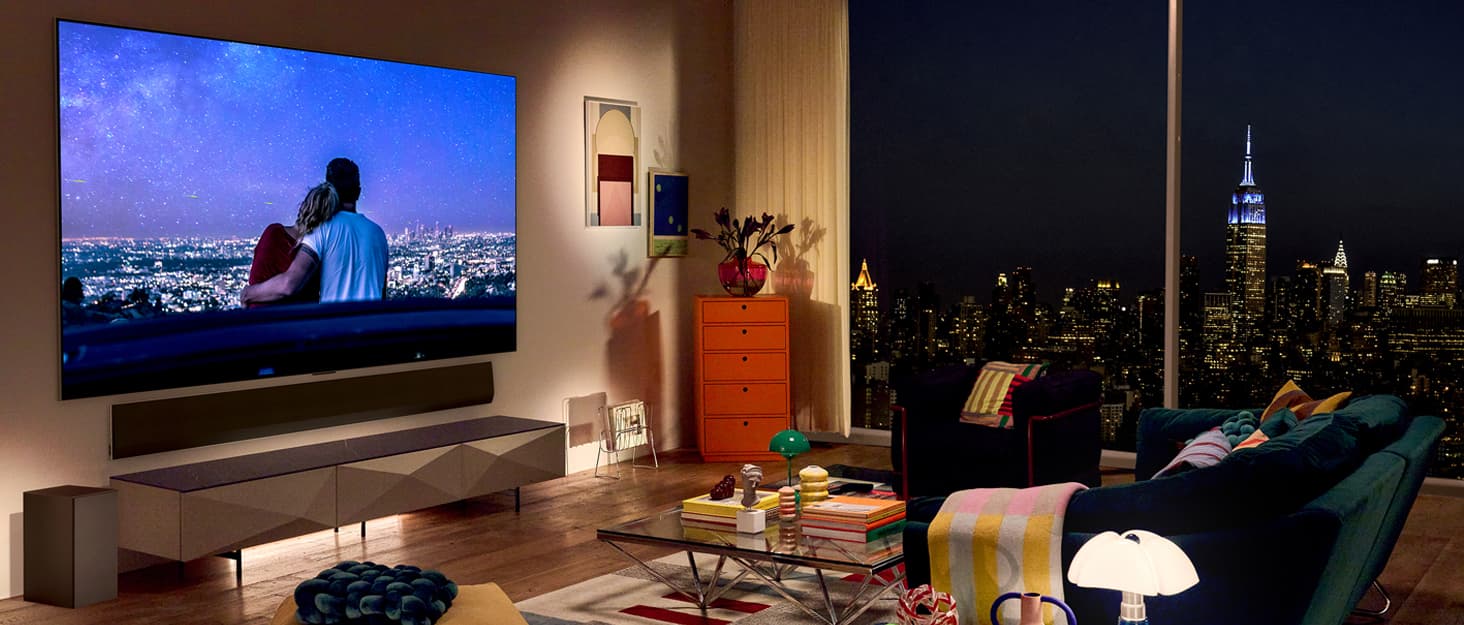
LG OLED C5 Review India: Specs, Price, Pros, Cons, and Buying Advice
LG OLED C-series TVs are premium movie and gaming picks for buyers who want deep blacks, strong contrast, and a polished smart-TV experience. This India-focused review explains specs, buyer fit, cautions, alternatives, and what to check before paying.
Electronics
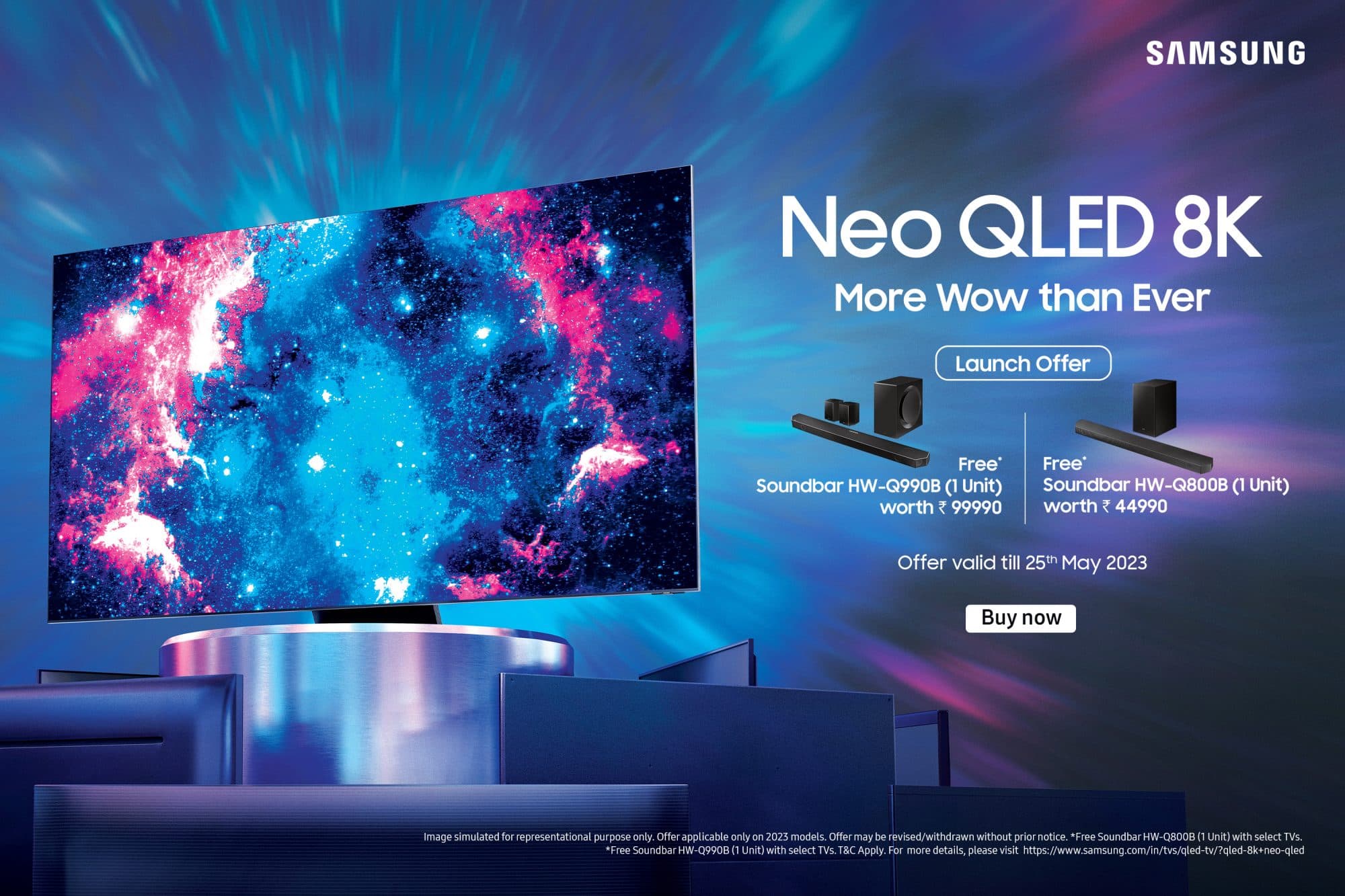
Samsung Neo QLED Review India: Specs, Price, Pros, Cons, and Buying Advice
Samsung Neo QLED TVs are strong for bright Indian living rooms, sports, family viewing, and buyers who want high brightness without OLED concerns. This India-focused review explains specs, buyer fit, cautions, alternatives, and what to check before paying.
Electronics
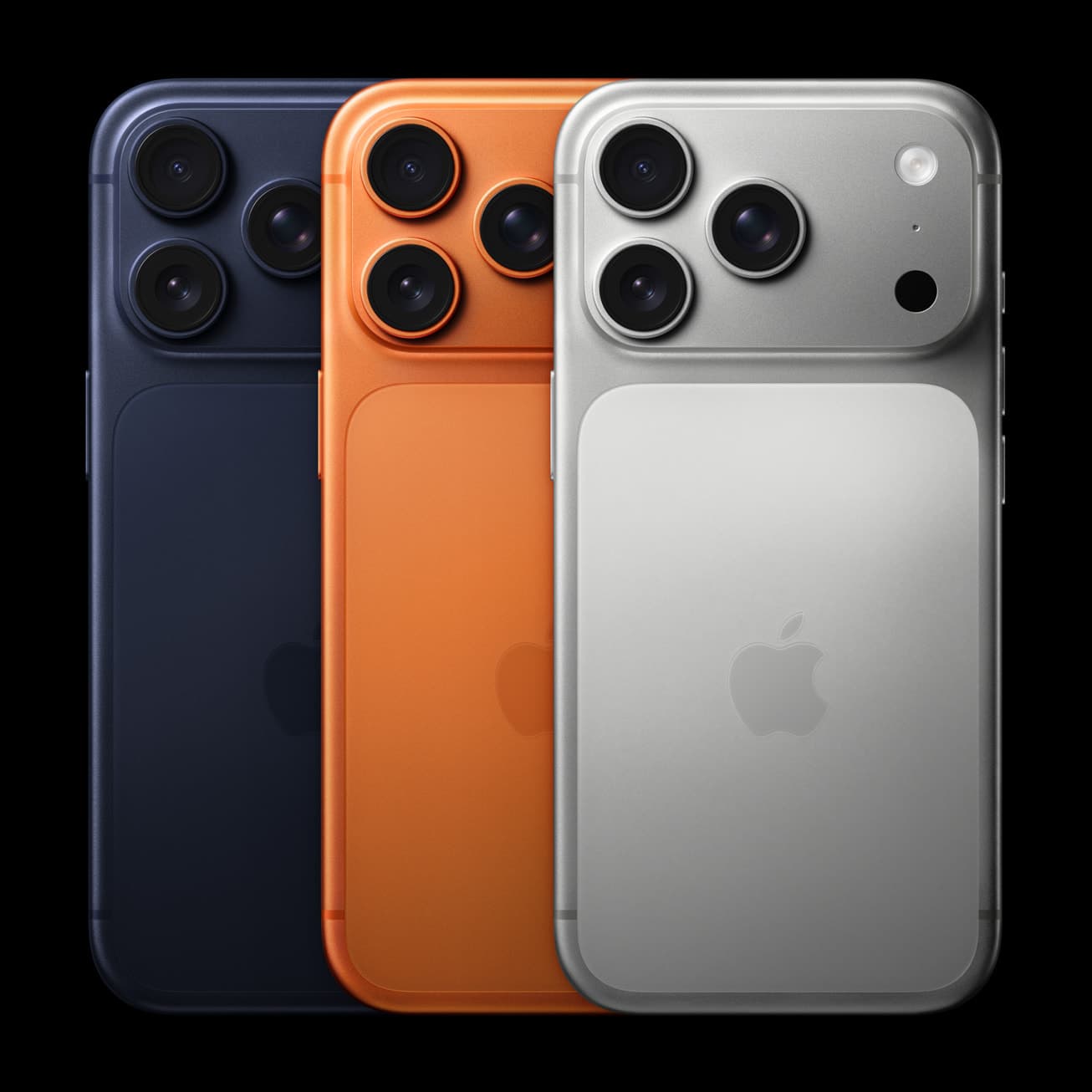
iPhone 16e Review India: Specs, Price, Pros, Cons, and Buying Advice
The iPhone 16e is the practical entry route into current iOS for buyers who want Apple reliability without Pro-level pricing. This India-focused review explains specs, buyer fit, cautions, alternatives, and what to check before paying.

Tool
Phone Value-for-Money Calculator
Estimate monthly phone ownership cost after resale value and years of usage.
Comparison
iPhone vs Samsung: Which Phone Should You Buy in India?
A detailed India-focused comparison of iPhone and Samsung Galaxy phones across price, camera quality, video, battery, software updates, resale value, service, ecosystem, and long-term ownership.