Electronics
Water and Dust Ratings: What IP68 Survives, and What Voids the Warranty Anyway
IP68 means a new phone survived still, fresh water at room temperature in a lab. It does not mean the pool, the sea, the shower or a three-year-old seal. And liquid damage is excluded from the warranty whatever the rating says.
By Arjun Mehta · Updated · 8 min read
Short answer
Is an IP68 phone waterproof?
An IP rating under IEC 60529 has two digits: the first for dust, where 6 means dust-tight, and the second for water, where 7 means immersion to one metre for thirty minutes and 8 means deeper, to a depth and time the manufacturer sets, commonly 1.5 to 6 metres for thirty minutes. The test is done on a new device, in still fresh water, at room temperature. It says nothing about salt water, chlorinated pools, soap, hot water or steam, water under pressure from swimming or a tap, or a phone whose seals have aged, been dropped or been heated. Budget phones often carry IP53 or IP54, which is splash resistance and not immersion at all. Every major brand excludes liquid damage from its warranty regardless of the IP rating, and a liquid contact indicator inside the phone is checked at the service counter. The rating is a floor for accidents, not a permission, and the practical rules are to rinse in fresh water after the sea, dry fully before charging, and keep the phone out of the shower.
Our practical verdict
Water and Dust Ratings: What IP68 Survives, and What Voids the Warranty Anyway should answer a simple question: what should an Indian buyer actually shortlist today? The answer changes with live prices, but the decision logic stays steady. We look at availability in India, warranty, service access, long-term usefulness, ecosystem fit, and how often the product is discounted during major sales.
Shortlist
Recommended options to compare
Use this as a starting list, then compare live India prices and warranty before buying.
Pick 1
Two digits, and what each means
The first digit is dust: 5 is dust-protected, 6 is dust-tight. The second is water: 4 is splashes from any direction, 7 is immersion to one metre for thirty minutes, 8 is immersion deeper than one metre to a depth and duration the manufacturer declares. X in either position means that ingress was not tested, not that it passed. IP68 is therefore dust-tight plus a manufacturer-declared immersion figure, and that figure is worth reading; it ranges from 1.5 to 6 metres across current phones.
Pick 2
What the test actually is
A new unit, in still fresh water, at roughly room temperature, for a fixed time, in a laboratory. Pass or fail. It is a controlled test of a factory-fresh seal under gentle conditions, and every real-world condition that differs from it - salt, chlorine, soap, heat, movement, age - is outside the rating.
Pick 3
What it does not cover
Sea water, which corrodes; pool water, which is chlorinated; shower and bath water, which is warm, soapy and often steam; water under pressure from a tap, a swimming stroke or a fall into water; sand, which is abrasive in a way the dust test is not; and any phone whose seals have been stressed by drops, heat, a tight case or two or three years of use. A phone that survives the sea once has been lucky, not rated.
Pick 4
Budget phones: splash, not immersion
IP53 and IP54, common under Rs 20,000, mean protection from splashes and spray, not from being dropped in water. IP67 and IP68 are appearing on mid-range phones and are worth having; the best phones under Rs 20,000 guide notes where. Do not read any rating below X7 as permission to submerge.
Pick 5
Liquid damage is excluded from the warranty regardless
Apple, Samsung and every major brand state that liquid damage is not covered under warranty, and they say so beside the IP rating on the same page. A liquid contact indicator inside the SIM tray or port turns colour on contact, and it is the first thing a service centre checks. A tripped indicator ends the claim whether the phone is rated IP68 or not. The phone warranty guide covers the other exclusions; this is the one people are most surprised by.
Pick 6
Seals age, and the rating does not follow
The rating describes the phone on the day it was made. Adhesive seals soften with heat, crack with drops, and compress under tight cases; a screen or battery replacement, even an authorised one, may not restore the original seal. A three-year-old IP68 phone should be treated as splash-resistant at best, and any phone that has been opened for repair as unrated.
Pick 7
The habits that matter more than the number
Rinse in fresh water after any contact with the sea or a pool, and dry it. Do not charge a wet phone; the port is where corrosion starts, and most phones now warn about moisture in the port for that reason. Keep it out of the shower, where heat and soap defeat the seal together. Use the rating as a floor for accidents rather than a plan for use, and the genuine phone guide explains why a checked liquid indicator matters when buying second-hand too.
Before you buy
- Read both digits and the manufacturer's declared depth and time. IP68 ranges from 1.5 to 6 metres, and an X means untested rather than passed
- Treat the rating as a fresh-water, room-temperature, new-phone lab result. Sea, pool, shower, pressure, sand and age are all outside it
- Under Rs 20,000, IP53 and IP54 are splash resistance. Only X7 and above mean immersion
- Know that liquid damage is excluded from every major brand's warranty whatever the rating, and that the indicator inside the phone is checked first at the service counter
- Rinse in fresh water after the sea or a pool, dry fully before charging, and keep the phone out of the shower
- Treat a phone that is three years old or has been opened for repair as unrated. See the phone warranty guide for the rest of the exclusions and the genuine phone guide for what a buyer checks
Which option should you choose?
Two digits, and what each means
The first digit is dust: 5 is dust-protected, 6 is dust-tight. The second is water: 4 is splashes from any direction, 7 is immersion to one metre for thirty minutes, 8 is immersion deeper than one metre to a depth and duration the manufacturer declares. X in either position means that ingress was not tested, not that it passed. IP68 is therefore dust-tight plus a manufacturer-declared immersion figure, and that figure is worth reading; it ranges from 1.5 to 6 metres across current phones.
What the test actually is
A new unit, in still fresh water, at roughly room temperature, for a fixed time, in a laboratory. Pass or fail. It is a controlled test of a factory-fresh seal under gentle conditions, and every real-world condition that differs from it - salt, chlorine, soap, heat, movement, age - is outside the rating.
What it does not cover
Sea water, which corrodes; pool water, which is chlorinated; shower and bath water, which is warm, soapy and often steam; water under pressure from a tap, a swimming stroke or a fall into water; sand, which is abrasive in a way the dust test is not; and any phone whose seals have been stressed by drops, heat, a tight case or two or three years of use. A phone that survives the sea once has been lucky, not rated.
Budget phones: splash, not immersion
IP53 and IP54, common under Rs 20,000, mean protection from splashes and spray, not from being dropped in water. IP67 and IP68 are appearing on mid-range phones and are worth having; the best phones under Rs 20,000 guide notes where. Do not read any rating below X7 as permission to submerge.
Liquid damage is excluded from the warranty regardless
Apple, Samsung and every major brand state that liquid damage is not covered under warranty, and they say so beside the IP rating on the same page. A liquid contact indicator inside the SIM tray or port turns colour on contact, and it is the first thing a service centre checks. A tripped indicator ends the claim whether the phone is rated IP68 or not. The phone warranty guide covers the other exclusions; this is the one people are most surprised by.
Seals age, and the rating does not follow
The rating describes the phone on the day it was made. Adhesive seals soften with heat, crack with drops, and compress under tight cases; a screen or battery replacement, even an authorised one, may not restore the original seal. A three-year-old IP68 phone should be treated as splash-resistant at best, and any phone that has been opened for repair as unrated.
The habits that matter more than the number
Rinse in fresh water after any contact with the sea or a pool, and dry it. Do not charge a wet phone; the port is where corrosion starts, and most phones now warn about moisture in the port for that reason. Keep it out of the shower, where heat and soap defeat the seal together. Use the rating as a floor for accidents rather than a plan for use, and the genuine phone guide explains why a checked liquid indicator matters when buying second-hand too.
Choice IQ pick
Need the faster shortlist?
Start with our recommended options, then compare the tradeoffs that matter for your budget and workflow.
See top picksHow to decide
Use the shortlist as a starting point, then compare current India pricing, warranty, service support, and the use case that matters most to you.
| Situation | Best starting point | Final check |
|---|---|---|
| Two digits, and what each means | The first digit is dust: 5 is dust-protected, 6 is dust-tight. The second is water: 4 is splashes from any direction, 7 is immersion to one metre for thirty minutes, 8 is immersion deeper than one metre to a depth and duration the manufacturer declares. X in either position means that ingress was not tested, not that it passed. IP68 is therefore dust-tight plus a manufacturer-declared immersion figure, and that figure is worth reading; it ranges from 1.5 to 6 metres across current phones. | Check the live India price, warranty terms, service access, and recent buyer feedback before making the final purchase. |
| What the test actually is | A new unit, in still fresh water, at roughly room temperature, for a fixed time, in a laboratory. Pass or fail. It is a controlled test of a factory-fresh seal under gentle conditions, and every real-world condition that differs from it - salt, chlorine, soap, heat, movement, age - is outside the rating. | Check the live India price, warranty terms, service access, and recent buyer feedback before making the final purchase. |
| What it does not cover | Sea water, which corrodes; pool water, which is chlorinated; shower and bath water, which is warm, soapy and often steam; water under pressure from a tap, a swimming stroke or a fall into water; sand, which is abrasive in a way the dust test is not; and any phone whose seals have been stressed by drops, heat, a tight case or two or three years of use. A phone that survives the sea once has been lucky, not rated. | Check the live India price, warranty terms, service access, and recent buyer feedback before making the final purchase. |
| Budget phones: splash, not immersion | IP53 and IP54, common under Rs 20,000, mean protection from splashes and spray, not from being dropped in water. IP67 and IP68 are appearing on mid-range phones and are worth having; the best phones under Rs 20,000 guide notes where. Do not read any rating below X7 as permission to submerge. | Check the live India price, warranty terms, service access, and recent buyer feedback before making the final purchase. |
Read the editorial notes
The safest way to use this guide is to pick two or three options from the shortlist, compare their current price, check recent buyer reviews for service or reliability complaints, and then choose the one that best fits your real daily use. That is more useful than chasing the product with the longest feature list.
Decision shortcut
Still comparing options?
Use the table above to shortlist your best fit, then check related picks, tools, and buying guides before you make the final call.
FAQ
Is an IP68 phone waterproof?
Two digits, and what each means is the first option to check for most Indian buyers, but the right pick depends on your budget, phone ecosystem, service access, and live sale price.
Where should I check prices in India?
Check Amazon, Flipkart, Croma, Reliance Digital, Vijay Sales, the brand website, and nearby offline stores because electronics prices change quickly during Indian sale events.
How does Choice IQ choose recommendations?
Choice IQ prioritizes India availability, realistic price bands, warranty, service support, everyday usefulness, and clear buyer fit over spec-sheet hype.
Choice IQ may earn from affiliate links when available, but recommendations should remain based on India availability, reader fit, product usefulness, and transparent tradeoffs.
Electronics Analyst
Arjun covers phones, laptops, audio, and smart devices for Indian buyers.
Keep reading
Related electronics picks
Electronics
Best Camera Phones in India for Photos and Video
How Indian buyers should compare camera phones by portraits, low light, video, zoom, skin tones, and social media output.
Electronics
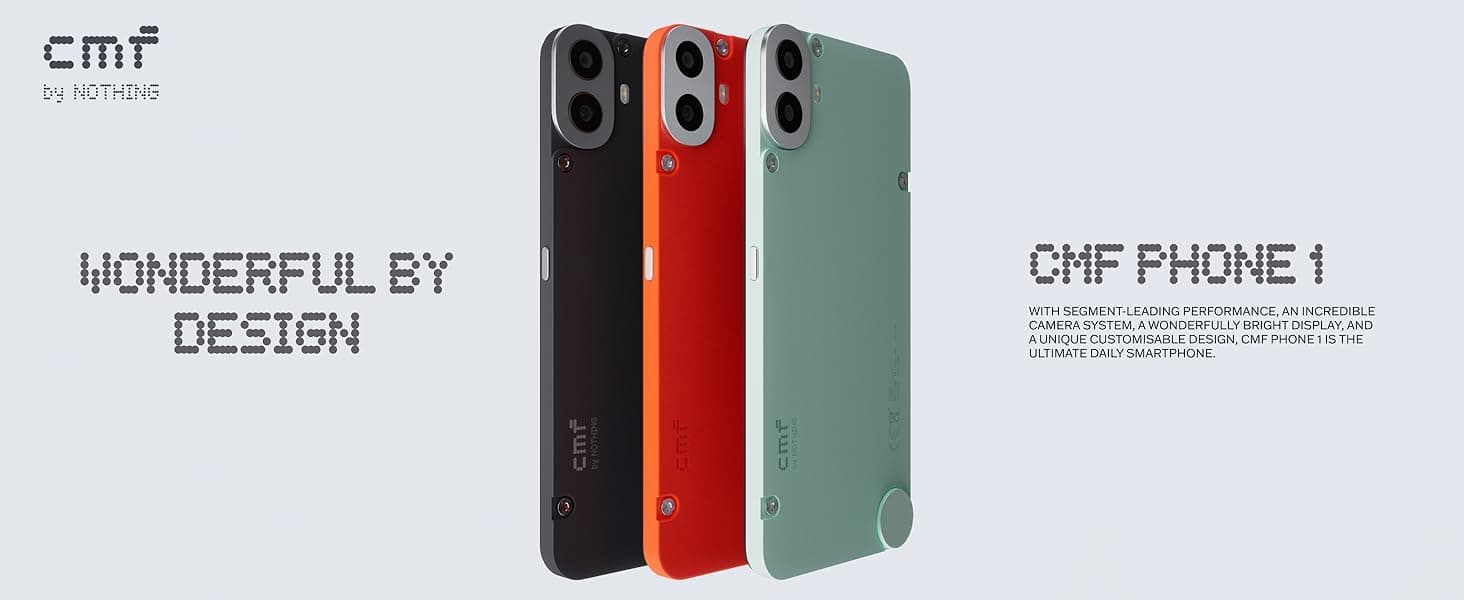
Best Phones Under Rs 20,000 in India 2026
Real India prices for the best phones under Rs 20,000, and why this is the band where you finally stop compromising on the display.
Electronics
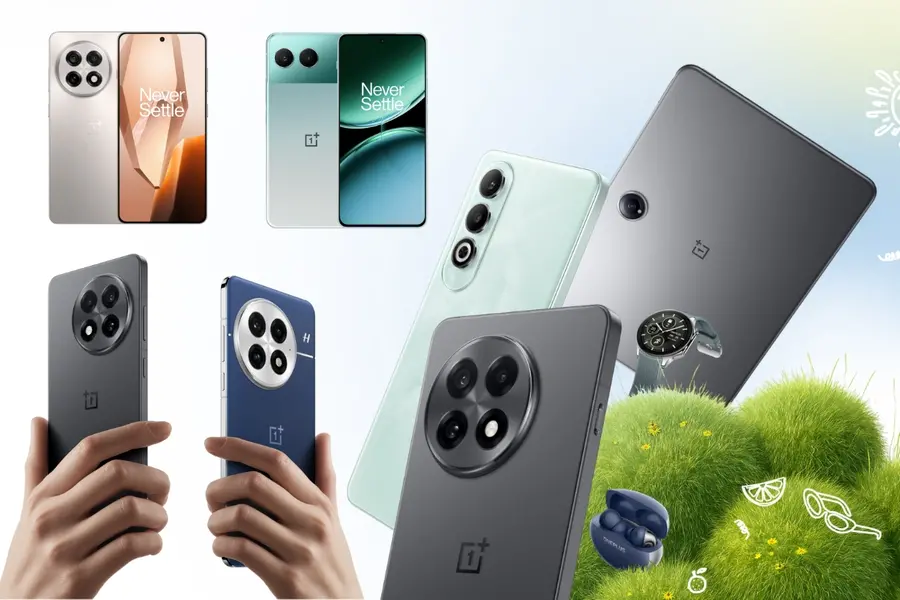
Best Phones Under Rs 40,000 in India 2026
The best phones under Rs 40,000 in India, where mid-range ends and flagship begins, and which compromises are still worth making at this price.

Tool
Laptop Value Calculator India
Work out what a laptop actually costs you to own in India once resale value and upgrades are included.
Comparison
iPhone vs Samsung: Which Phone Should You Buy in India?
A detailed India-focused comparison of iPhone and Samsung Galaxy phones across price, camera quality, video, battery, software updates, resale value, service, ecosystem, and long-term ownership.
The best choice is rarely the product with the longest feature list. It is the one you will still trust and use six months from now.
How Choice IQ evaluated this guide
Choice IQ evaluates water and dust ratings: what ip68 survives, and what voids the warranty anyway for India using live-market fit, price bands, warranty clarity, service access, ecosystem compatibility, and practical long-term value.
Weekly intelligence
Get smarter AI tool picks weekly.
One useful email with practical comparisons, refresh alerts, and decision frameworks for people who do not want another noisy newsletter.