Artificial Intelligence
AI and Indian Languages: What Genuinely Works Today
Machine translation between Indian languages and English is genuinely good. Generating a Hindi email is fine. Transcribing a Bengali call is usable. Writing long-form Tamil with any literary judgement, reading a handwritten Marathi form, or handling a Bhojpuri speaker is not there yet, and Indic text costs two to four times the tokens.
By Maya Iyer · Updated · 10 min read

Short answer
Does ChatGPT or Gemini work in Hindi?
AI in Indian languages works well for translation between the major languages and English, for short and medium-length generation in Hindi and the larger languages, for code-mixed Hinglish, and for transcription in Hindi, Bengali, Tamil, Telugu and Marathi, where quality is usable for meetings and calls but not for legal accuracy. It works poorly for long-form writing in the smaller languages with any stylistic judgement, for dialects and regional varieties, for optical character recognition of handwritten or poorly printed Indic scripts, and for speech in noisy conditions or from speakers of less-represented languages. Every Indic prompt costs more than its English equivalent, because Indian scripts tokenise into two to four times as many tokens, which raises API cost and eats context. India-built models from Sarvam, AI4Bharat and the BharatGen programme, and the government's Bhashini platform, are now competitive for translation and transcription and are worth testing against the global models for those tasks. The durable instruction is to test the specific language and task on real samples before committing, and the best AI for Indian languages guide tracks the current tool comparison.
Our practical verdict
The honest state of AI in Indian languages in 2026 is uneven in a way that a single verdict hides, so this page is a map of where the line sits rather than a score.
Translation is the strongest capability. Between the major scheduled languages and English, and increasingly between Indian languages directly, the output from AI4Bharat's IndicTrans lineage and from the global models is close to usable without editing for informational text. Legal and literary translation still need a person, but the person is editing a real draft rather than starting from nothing.
Generation is good in Hindi and the larger languages - Bengali, Tamil, Telugu, Marathi - for the everyday tasks of emails, notices and product copy, and it is surprisingly good in code-mixed Hinglish, because a large share of Indian web text is written that way. It thins with the size of the language's online presence. Long-form writing in Odia or Assamese, or anything in Tamil or Malayalam that needs stylistic judgement, still reads as translated.
Shortlist
Recommended options to compare
Use this as a starting list, then compare live India prices and warranty before buying.
Pick 1
Translation: genuinely good
Translation between the scheduled languages and English, and increasingly between Indian languages directly, is the strongest capability. AI4Bharat's IndicTrans work and the models built on it are close to usable without editing for informational text, and the global models are comparable for the major languages. Literary and legal translation still needs a human, but the draft is real.
Pick 2
Generation: fine in Hindi, thinner elsewhere
Drafting an email, a notice or a product description in Hindi, Bengali, Tamil, Telugu or Marathi works, and code-mixed Hinglish works well because so much Indian web text is written that way. The quality falls with the size of the language's online corpus: long-form writing in Odia or Assamese, or anything needing stylistic judgement in Tamil or Malayalam, still reads as translated rather than written.
Pick 3
Transcription: usable for the big languages
Speech to text in Hindi and the large languages is good enough for meeting notes, call summaries and search, and Bhashini and the India-built models are competitive here. It is not good enough for legal or medical accuracy, it degrades sharply with background noise and with speakers of regional varieties, and diarisation - who said what - remains weaker than in English.
Pick 4
Where it does not work yet
Dialects and regional varieties - Bhojpuri, Awadhi, Tulu, the many forms of spoken Hindi - are handled as if they were the standard language, badly. Optical character recognition of handwritten or poorly printed Indic scripts, which is what most Indian paperwork is, is unreliable. And nuance, humour and register in the smaller languages are beyond current models. If the task is in this list, test before promising anything.
Pick 5
The token cost of Indic text
Indian scripts tokenise into two to four times as many tokens as the equivalent English, depending on the language and the model. That makes every Indic prompt and reply cost more on the API, and it consumes context faster, so a long Hindi document fills a context window that would hold two or three times as much English. The AI pricing mechanics guide covers why; for Indic workloads it is the first cost to measure.
Pick 6
The India-built options
Sarvam, AI4Bharat and the BharatGen programme have produced models trained with Indian-language data at their centre, and Bhashini is the government's translation and speech platform. For translation and transcription they are now worth testing head-to-head against the global models, and several are open-weight, which the model deprecation guide notes is the hedge against depending on any single vendor. India-built open models are the relevant list.
Pick 7
How to decide for a real task
Take twenty real samples of the language and task - the actual forms, the actual calls, the actual copy - and run them through two or three candidates, then have a native speaker score the output. Benchmarks describe the standard language on clean text; your task is rarely that. The best AI for Indian languages guide compares the current tools, and this page is the reason to run the test rather than trust the comparison.
Which option should you choose?
Translation: genuinely good
Translation between the scheduled languages and English, and increasingly between Indian languages directly, is the strongest capability. AI4Bharat's IndicTrans work and the models built on it are close to usable without editing for informational text, and the global models are comparable for the major languages. Literary and legal translation still needs a human, but the draft is real.
Generation: fine in Hindi, thinner elsewhere
Drafting an email, a notice or a product description in Hindi, Bengali, Tamil, Telugu or Marathi works, and code-mixed Hinglish works well because so much Indian web text is written that way. The quality falls with the size of the language's online corpus: long-form writing in Odia or Assamese, or anything needing stylistic judgement in Tamil or Malayalam, still reads as translated rather than written.
Transcription: usable for the big languages
Speech to text in Hindi and the large languages is good enough for meeting notes, call summaries and search, and Bhashini and the India-built models are competitive here. It is not good enough for legal or medical accuracy, it degrades sharply with background noise and with speakers of regional varieties, and diarisation - who said what - remains weaker than in English.
Where it does not work yet
Dialects and regional varieties - Bhojpuri, Awadhi, Tulu, the many forms of spoken Hindi - are handled as if they were the standard language, badly. Optical character recognition of handwritten or poorly printed Indic scripts, which is what most Indian paperwork is, is unreliable. And nuance, humour and register in the smaller languages are beyond current models. If the task is in this list, test before promising anything.
The token cost of Indic text
Indian scripts tokenise into two to four times as many tokens as the equivalent English, depending on the language and the model. That makes every Indic prompt and reply cost more on the API, and it consumes context faster, so a long Hindi document fills a context window that would hold two or three times as much English. The AI pricing mechanics guide covers why; for Indic workloads it is the first cost to measure.
The India-built options
Sarvam, AI4Bharat and the BharatGen programme have produced models trained with Indian-language data at their centre, and Bhashini is the government's translation and speech platform. For translation and transcription they are now worth testing head-to-head against the global models, and several are open-weight, which the model deprecation guide notes is the hedge against depending on any single vendor. India-built open models are the relevant list.
How to decide for a real task
Take twenty real samples of the language and task - the actual forms, the actual calls, the actual copy - and run them through two or three candidates, then have a native speaker score the output. Benchmarks describe the standard language on clean text; your task is rarely that. The best AI for Indian languages guide compares the current tools, and this page is the reason to run the test rather than trust the comparison.
Choice IQ pick
Need the faster shortlist?
Start with our recommended options, then compare the tradeoffs that matter for your budget and workflow.
See top picksHow to decide
Pick the option around the job you need done. This is the fastest way to avoid paying for something that looks impressive but does not change your real workflow.
| Situation | Best starting point | Final check |
|---|---|---|
| Translation: genuinely good | Translation between the scheduled languages and English, and increasingly between Indian languages directly, is the strongest capability. AI4Bharat's IndicTrans work and the models built on it are close to usable without editing for informational text, and the global models are comparable for the major languages. Literary and legal translation still needs a human, but the draft is real. | Use this as a shortlist, then verify the final details before committing. |
| Generation: fine in Hindi, thinner elsewhere | Drafting an email, a notice or a product description in Hindi, Bengali, Tamil, Telugu or Marathi works, and code-mixed Hinglish works well because so much Indian web text is written that way. The quality falls with the size of the language's online corpus: long-form writing in Odia or Assamese, or anything needing stylistic judgement in Tamil or Malayalam, still reads as translated rather than written. | Use this as a shortlist, then verify the final details before committing. |
| Transcription: usable for the big languages | Speech to text in Hindi and the large languages is good enough for meeting notes, call summaries and search, and Bhashini and the India-built models are competitive here. It is not good enough for legal or medical accuracy, it degrades sharply with background noise and with speakers of regional varieties, and diarisation - who said what - remains weaker than in English. | Use this as a shortlist, then verify the final details before committing. |
| Where it does not work yet | Dialects and regional varieties - Bhojpuri, Awadhi, Tulu, the many forms of spoken Hindi - are handled as if they were the standard language, badly. Optical character recognition of handwritten or poorly printed Indic scripts, which is what most Indian paperwork is, is unreliable. And nuance, humour and register in the smaller languages are beyond current models. If the task is in this list, test before promising anything. | Use this as a shortlist, then verify the final details before committing. |
Read the editorial notes
Transcription is usable for the big languages, good enough for meeting notes, call summaries and search, and this is where Bhashini and the India-built models compete directly with the global ones. It is not good enough for legal or medical accuracy, it degrades sharply with noise and with regional varieties of speech, and who-said-what remains weaker than in English.
Three things do not work yet and should be tested before anything is promised on them. Dialects and regional varieties - Bhojpuri, Awadhi, Tulu, the many spoken forms of Hindi - are handled as if they were the standard language, and badly. Optical character recognition of handwritten or poorly printed Indic text, which describes most Indian paperwork, is unreliable. And nuance, humour and register in the smaller languages are beyond current models.
Underneath all of it sits a cost most people discover on the first API bill: Indian scripts tokenise into two to four times as many tokens as the equivalent English, so every Indic prompt and reply costs more and fills the context window faster. The AI pricing mechanics guide explains the mechanism; for any Indic workload, token count per sample is the first number to measure.
The India-built options - Sarvam, AI4Bharat, the BharatGen programme, and the government's Bhashini platform - are now worth testing head-to-head against the global models for translation and transcription, and several are open-weight, which matters for the reasons the model deprecation guide gives. India-built open models are the list to start from. But the method matters more than the model: take twenty real samples of the actual language and task, run them through two or three candidates, and have a native speaker score them. Benchmarks describe the standard language on clean text. Your forms, your calls and your customers are rarely that, and the best AI for Indian languages guide's comparison is a starting point for that test, not a substitute for it.
Decision shortcut
Still comparing options?
Use the table above to shortlist your best fit, then check related picks, tools, and buying guides before you make the final call.
FAQ
Does ChatGPT or Gemini work in Hindi?
Yes, well, for translation, short and medium-length generation and code-mixed Hinglish. Long-form writing with stylistic judgement, dialects and handwritten text are where it falls short.
Which Indian languages does AI handle best?
Hindi first, then Bengali, Tamil, Telugu and Marathi, roughly in proportion to how much online text and speech exists in each. The smaller scheduled languages and all dialects are materially weaker.
Why does AI cost more in Indian languages?
Indian scripts tokenise into two to four times as many tokens as equivalent English, so Indic prompts and replies cost more on the API and use up context faster.
Are India-built AI models better for Indian languages?
For translation and transcription they are now competitive with the global models and worth testing head-to-head; several are open-weight. For general reasoning the global models still lead. The answer is task-specific.
Can AI read Indian-language documents and forms?
Printed text in the major scripts, reasonably. Handwritten or poorly printed Indic text, which is most Indian paperwork, unreliably. Test on real samples before building anything on it.
Features, model access, limits, privacy controls, and India billing can change. Choice IQ evaluates practical workflow fit and recommends checking the provider's current official terms before paying.
AI Tools Editor
Maya reviews AI products, productivity systems, and automation workflows with a focus on practical adoption.
Keep reading
Related artificial intelligence picks

Comparison
Best AI for Indian Languages: Hindi, Tamil, Bengali and More
How the major models actually handle Indian languages, what to test before you commit, and why benchmark scores mislead here.
Artificial Intelligence
How AI Subscription Pricing Actually Works: Tokens, Seats and Limits
A consumer plan sells a cap per rolling window. A team plan sells seats. The API sells tokens, and it charges for the whole conversation every time you send a message. Knowing which meter you are on is most of the cost.
Artificial Intelligence
What AI Companies Do With What You Type: An India Guide
India's data protection law is notified but not yet in force for individual rights. Until May 2027 the only lever you have is the vendor's own settings.
Artificial Intelligence
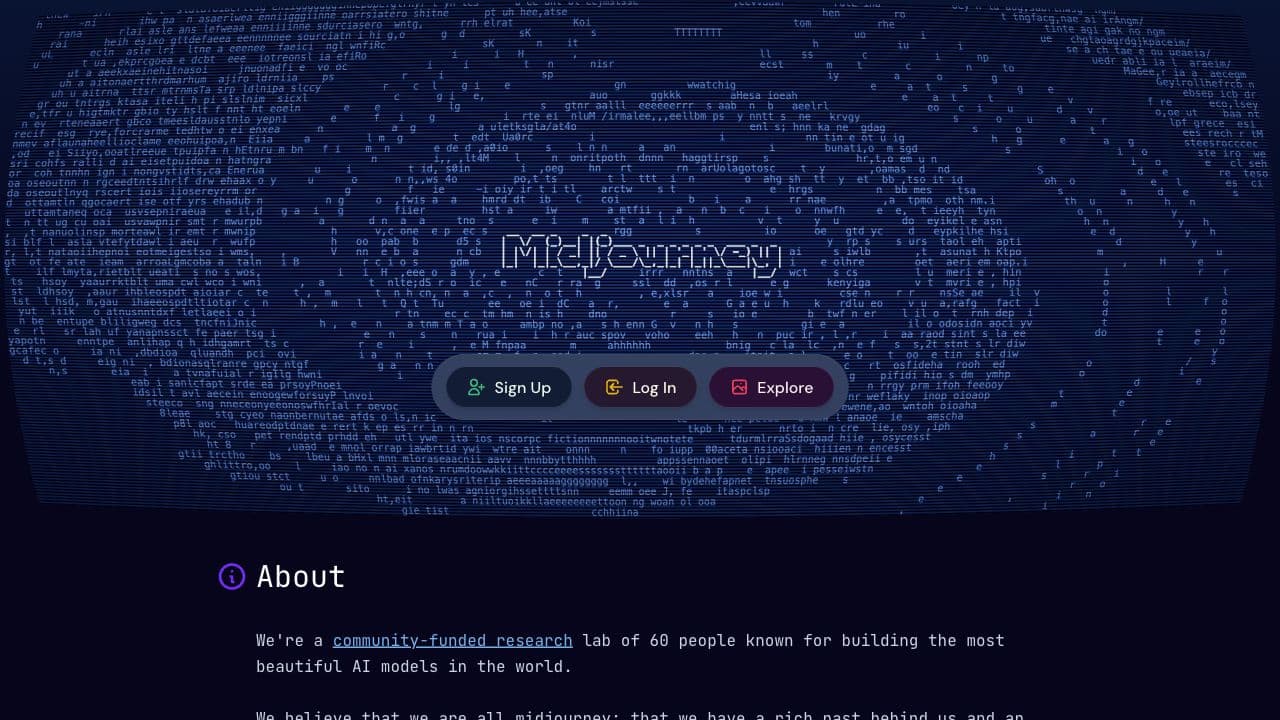
Midjourney Review 2026: Is It Worth Paying for in India?
A practical review of Midjourney for designers, marketers, creators, agencies, and visual concept work.
Tool
AI Prompt Library Builder
Create a reusable prompt template for a team workflow, including variables, checks, and ownership.
The best choice is rarely the product with the longest feature list. It is the one you will still trust and use six months from now.
How Choice IQ evaluated this guide
Choice IQ evaluates AI in Indian languages by task - translation, generation, transcription, OCR and dialect handling - by language size, by the token cost of Indic scripts, by the India-built alternatives from Sarvam, AI4Bharat, BharatGen and Bhashini, and by the sample-based testing method that decides a real deployment.
Weekly intelligence
Get smarter AI tool picks weekly.
One useful email with practical comparisons, refresh alerts, and decision frameworks for people who do not want another noisy newsletter.