Home & Living
Matching a Water Purifier to Your Actual Supply: TDS, Hardness and Technology
RO removes dissolved solids and wastes water doing it. UV kills microbes and removes nothing. UF removes microbes without power. Which one you need depends on a number you can measure with a Rs 300 meter, and almost nobody does.
By Arjun Mehta · Updated · 8 min read
Short answer
What is the best choice for matching a water purifier to your actual supply: tds, hardness and technology?
The right water purifier depends on the water, and the water is measurable. Total dissolved solids, or TDS, is the figure that decides it: the Indian drinking water standard IS 10500 sets 500 mg/L as the acceptable limit, and reverse osmosis is the technology that reduces TDS, so it is the right choice for borewell, tanker and hard municipal supplies above roughly 300 to 500 mg/L. On a treated municipal supply below that, RO removes little that needs removing, strips minerals, and rejects around three litres of water for every litre it produces, which is why regulators have flagged RO use on low-TDS water. UV kills bacteria and viruses but removes no dissolved solids and needs clear water to work, which suits a low-TDS municipal supply with a microbial risk. UF removes bacteria, cysts and turbidity without electricity and without touching dissolved solids. Hardness from calcium and magnesium is part of TDS and is what scales kettles and geysers. A TDS meter costs a few hundred rupees and answers the question in a minute.
Our practical verdict
Matching a Water Purifier to Your Actual Supply: TDS, Hardness and Technology should not be chosen from a discount badge alone. Indian homes vary by room size, dust, water quality, electricity tariff, family size, cooking habits, climate, and service access. A product that works beautifully in one apartment can be wrong for another.
Before buying, use these practical checks: - Buy a TDS meter before a purifier. A few hundred rupees and a minute at the tap replaces most of the guesswork, and test on more than one day if the supply is tanker or seasonal - Above roughly 300 to 500 mg/L, or on borewell or tanker water, RO is the right technology. Below that on a treated municipal supply it removes little, strips minerals and rejects three litres per litre - UV kills microbes and removes nothing. It is right on low-TDS municipal water with a microbial risk and wrong on its own for hard or borewell water - UF is the no-power option for microbes and turbidity, and it does not change TDS. Pair it with UV where viruses are the concern - If scaling on the geyser and kettle is the problem, the cause is hardness inside a high TDS figure, and only RO or a softener addresses it - Filters, membranes and UV lamps have rated lives. Budget the annual replacement cost alongside the purchase price, and see the RO against UV comparison before choosing between them
Shortlist
Recommended options to compare
Use this as a starting list, then compare live India prices and warranty before buying.
Pick 1
Measure before you choose
A handheld TDS meter costs a few hundred rupees and reads in seconds. Test the actual tap you will connect the purifier to, on more than one day, because tanker supplies change with each load and some municipal supplies vary by season. The number you get is the only input that matters for the technology decision, and buying a purifier without it is buying blind.
Pick 2
What TDS is, and the standard
Total dissolved solids is the combined weight of everything dissolved in the water, mostly mineral salts, in milligrams per litre. The Indian standard IS 10500 sets an acceptable limit of 500 mg/L. Low TDS is not automatically safe, since it says nothing about microbes, and moderate TDS is not automatically unsafe, since much of it is calcium and magnesium. It tells you which technology is needed, not whether the water is clean.
Pick 3
RO: the tool for high TDS, and the wrong one for low
Reverse osmosis pushes water through a membrane that rejects dissolved solids, and it is the only common household technology that reduces TDS. It is right for borewell water, tanker water and hard municipal supplies, broadly above 300 to 500 mg/L. It rejects roughly three litres for every litre produced, strips minerals along with contaminants, and on a supply already below 300 the membrane is removing little that needed removing. Regulators have flagged exactly this use, and the reject water is the reason. See the RO against UV comparison for the head-to-head.
Pick 4
UV: kills, does not remove
Ultraviolet light inactivates bacteria and viruses as water passes a lamp. It removes nothing: dissolved solids, hardness and turbidity all pass through unchanged, and cloudy water shields microbes from the light. It suits a treated municipal supply that is low in TDS but carries a microbial risk from old pipes or intermittent supply, and it is wrong on its own for borewell or hard water. The lamp has a rated life and needs replacing on schedule to keep working.
Pick 5
UF: microbes and turbidity, no power, no TDS change
Ultrafiltration is a fine membrane that removes bacteria, cysts and suspended particles without electricity and without reducing dissolved solids. It is the right choice where the supply is low in TDS, the risk is microbial and turbidity, and power is unreliable. It does not remove viruses as reliably as UV and does nothing for hardness, which is why it is often paired with one of the others.
Pick 6
Hardness is inside TDS, and it is what scales your geyser
Calcium and magnesium salts make water hard, and they are a large share of TDS in most Indian supplies. Hardness is what leaves scale on kettles, geysers and taps and reduces lather. Only RO or a separate softener reduces it. If scaling is your problem and TDS is high, RO is the answer; if TDS is low, the scaling is coming from somewhere else.
Pick 7
Combinations, and the mineraliser question
RO plus UV is the common pairing for high-TDS water with a microbial risk. UV plus UF suits a low-TDS municipal supply. RO with a mineraliser or TDS controller adds some minerals back or blends a little untreated water in; it is a reasonable way to avoid over-stripping, and it is also a feature sold on supplies where RO was not needed in the first place. Match the technology to the measured number, then use the water purifier shortlist to pick a model.
Which option should you choose?
Measure before you choose
A handheld TDS meter costs a few hundred rupees and reads in seconds. Test the actual tap you will connect the purifier to, on more than one day, because tanker supplies change with each load and some municipal supplies vary by season. The number you get is the only input that matters for the technology decision, and buying a purifier without it is buying blind.
What TDS is, and the standard
Total dissolved solids is the combined weight of everything dissolved in the water, mostly mineral salts, in milligrams per litre. The Indian standard IS 10500 sets an acceptable limit of 500 mg/L. Low TDS is not automatically safe, since it says nothing about microbes, and moderate TDS is not automatically unsafe, since much of it is calcium and magnesium. It tells you which technology is needed, not whether the water is clean.
RO: the tool for high TDS, and the wrong one for low
Reverse osmosis pushes water through a membrane that rejects dissolved solids, and it is the only common household technology that reduces TDS. It is right for borewell water, tanker water and hard municipal supplies, broadly above 300 to 500 mg/L. It rejects roughly three litres for every litre produced, strips minerals along with contaminants, and on a supply already below 300 the membrane is removing little that needed removing. Regulators have flagged exactly this use, and the reject water is the reason. See the RO against UV comparison for the head-to-head.
UV: kills, does not remove
Ultraviolet light inactivates bacteria and viruses as water passes a lamp. It removes nothing: dissolved solids, hardness and turbidity all pass through unchanged, and cloudy water shields microbes from the light. It suits a treated municipal supply that is low in TDS but carries a microbial risk from old pipes or intermittent supply, and it is wrong on its own for borewell or hard water. The lamp has a rated life and needs replacing on schedule to keep working.
UF: microbes and turbidity, no power, no TDS change
Ultrafiltration is a fine membrane that removes bacteria, cysts and suspended particles without electricity and without reducing dissolved solids. It is the right choice where the supply is low in TDS, the risk is microbial and turbidity, and power is unreliable. It does not remove viruses as reliably as UV and does nothing for hardness, which is why it is often paired with one of the others.
Hardness is inside TDS, and it is what scales your geyser
Calcium and magnesium salts make water hard, and they are a large share of TDS in most Indian supplies. Hardness is what leaves scale on kettles, geysers and taps and reduces lather. Only RO or a separate softener reduces it. If scaling is your problem and TDS is high, RO is the answer; if TDS is low, the scaling is coming from somewhere else.
Combinations, and the mineraliser question
RO plus UV is the common pairing for high-TDS water with a microbial risk. UV plus UF suits a low-TDS municipal supply. RO with a mineraliser or TDS controller adds some minerals back or blends a little untreated water in; it is a reasonable way to avoid over-stripping, and it is also a feature sold on supplies where RO was not needed in the first place. Match the technology to the measured number, then use the water purifier shortlist to pick a model.
Choice IQ pick
Need the faster shortlist?
Start with our recommended options, then compare the tradeoffs that matter for your budget and workflow.
See top picksHow to decide
Pick the option around the job you need done. This is the fastest way to avoid paying for something that looks impressive but does not change your real workflow.
| Situation | Best starting point | Final check |
|---|---|---|
| Measure before you choose | A handheld TDS meter costs a few hundred rupees and reads in seconds. Test the actual tap you will connect the purifier to, on more than one day, because tanker supplies change with each load and some municipal supplies vary by season. The number you get is the only input that matters for the technology decision, and buying a purifier without it is buying blind. | Use this as a shortlist, then verify the final details before committing. |
| What TDS is, and the standard | Total dissolved solids is the combined weight of everything dissolved in the water, mostly mineral salts, in milligrams per litre. The Indian standard IS 10500 sets an acceptable limit of 500 mg/L. Low TDS is not automatically safe, since it says nothing about microbes, and moderate TDS is not automatically unsafe, since much of it is calcium and magnesium. It tells you which technology is needed, not whether the water is clean. | Use this as a shortlist, then verify the final details before committing. |
| RO: the tool for high TDS, and the wrong one for low | Reverse osmosis pushes water through a membrane that rejects dissolved solids, and it is the only common household technology that reduces TDS. It is right for borewell water, tanker water and hard municipal supplies, broadly above 300 to 500 mg/L. It rejects roughly three litres for every litre produced, strips minerals along with contaminants, and on a supply already below 300 the membrane is removing little that needed removing. Regulators have flagged exactly this use, and the reject water is the reason. See the RO against UV comparison for the head-to-head. | Use this as a shortlist, then verify the final details before committing. |
| UV: kills, does not remove | Ultraviolet light inactivates bacteria and viruses as water passes a lamp. It removes nothing: dissolved solids, hardness and turbidity all pass through unchanged, and cloudy water shields microbes from the light. It suits a treated municipal supply that is low in TDS but carries a microbial risk from old pipes or intermittent supply, and it is wrong on its own for borewell or hard water. The lamp has a rated life and needs replacing on schedule to keep working. | Use this as a shortlist, then verify the final details before committing. |
Read the editorial notes
For India, the most useful buying process is simple: shortlist two or three suitable options, compare current prices across Amazon, Flipkart, Croma, Reliance Digital, Vijay Sales, brand stores, and nearby authorised retailers, then check warranty, installation, and service feedback. Do not pay extra for features you will not use, and do not underbuy products that affect sleep, health, cooling, clean water, or daily chores.
Decision shortcut
Still comparing options?
Use the table above to shortlist your best fit, then check related picks, tools, and buying guides before you make the final call.
FAQ
What is the best choice for matching a water purifier to your actual supply: tds, hardness and technology?
Start with Measure before you choose, then compare live India pricing, warranty, service support, room or family fit, and long-term running cost before buying.
What should Indian buyers check before buying?
Check warranty, installation charges, service centre access, return policy, energy rating where relevant, real owner reviews, and the final price after bank offers or exchange discounts.
How does Choice IQ shortlist home products?
Choice IQ prioritizes practical household fit, India availability, service support, energy or maintenance cost, user comfort, and long-term reliability over only headline features.
Choice IQ may earn from affiliate links when available, but recommendations are structured around reader fit, India availability, warranty clarity, and practical ownership value.
Electronics Analyst
Arjun covers phones, laptops, audio, and smart devices for Indian buyers.
Keep reading
Related home & living picks

Comparison
RO vs UV Water Purifier: Which Is Right for Your Water?
A simple India-focused comparison of RO and UV purifiers by TDS, water source, maintenance cost, and health fit.
Home & Living
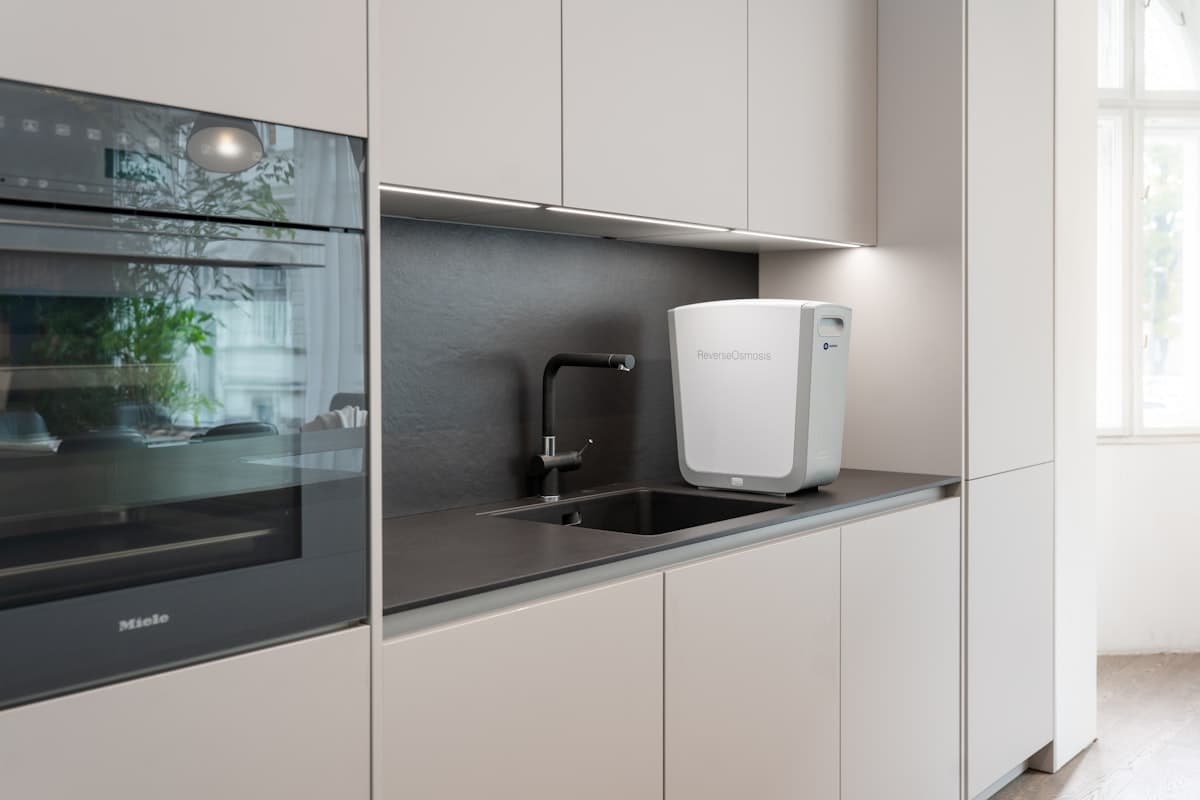
Best Water Purifiers in India
A practical Indian guide to RO, UV, UF, TDS, service plans, filter replacement cost, storage tank size, and water source fit.
Comparison
Air Purifier vs Humidifier: Which One Do You Need?
Understand whether your Indian home needs dust and pollution filtration, humidity support, or both.
Tool
Mattress Finder
Find a practical mattress direction based on sleep position, firmness preference, and budget.
Home & Living
Philips Reviews India: Purifiers, Grooming, Lighting
A practical Philips India review hub for air purifiers, trimmers, electric toothbrushes, lighting, home health devices, and everyday value.
The best choice is rarely the product with the longest feature list. It is the one you will still trust and use six months from now.
How Choice IQ evaluated this guide
Choice IQ evaluates matching a water purifier to your actual supply: tds, hardness and technology for Indian homes by practical fit, live price, service support, warranty clarity, running cost, installation needs, maintenance effort, and everyday usefulness.
Weekly intelligence
Get smarter AI tool picks weekly.
One useful email with practical comparisons, refresh alerts, and decision frameworks for people who do not want another noisy newsletter.